Commercial Moves in Ealing
Relocating a business is never just about moving boxes. It is about keeping staff productive, protecting equipment, managing deadlines, and making sure customers experience as little disruption as possible. That is why Commercial Moves in Ealing need careful planning, local knowledge, and a team that understands the realities of moving offices, retail units, studios, clinics, and other workspaces across West London. Whether you are moving a small office near Ealing Broadway, shifting a larger workspace close to Park Royal, or reorganising premises in South Ealing, the right commercial moving service can make the whole process feel far more controlled and far less stressful.
Ealing is a busy and varied borough, with a mix of period buildings, converted offices, modern business premises, shared workspaces, retail parades, and light industrial units. That variety is one reason local moves can be complicated. Access points may be tight, upper floors may not have lifts, parking can be limited on busy streets, and loading spaces may need to be planned in advance. A local team that understands the area can work around these challenges more effectively, helping your relocation stay efficient from the first survey through to the final placement of desks, filing, stock, and specialist equipment.
If you are preparing for a business relocation and want a practical, professional approach, this page explains what is included, how the process works, what affects pricing, how to prepare, and why choosing an experienced local company matters. Contact us today if you are ready to request a quote or book your commercial move in Ealing.
Commercial relocation support tailored to Ealing businesses

Every business move has its own priorities. Some clients need a quick office move completed outside working hours. Others need a staged relocation that allows departments to move in phases. Some want help with dismantling workstations, wrapping IT equipment, and transporting archive boxes securely. Others need a more complex commercial removals plan involving stock, furniture, specialist items, and access logistics. In each case, the aim is the same: keep the move organised so your team can get back to work as soon as possible.
Commercial moves in Ealing are often most successful when they are treated as a project rather than a simple transport job. That means planning the move date around your business hours, understanding the layout of both premises, deciding what should be packed by the team and what should be prepared in-house, and checking practical details such as lifts, stairs, loading bays, and nearby parking restrictions. It also means identifying items that need extra care, including computers, monitors, printers, cabinets, stock, marketing displays, confidential records, and fragile equipment.
Local customers often value a moving company that can respond flexibly. Ealing is well connected, but it is also a place where traffic, school runs, street parking, and busy commercial corridors can affect timing. A local commercial removals team will usually understand the best approach for areas such as Ealing Broadway, West Ealing, North Ealing, Hanwell, Acton borders, and Park Royal, helping you avoid unnecessary delays.
What commercial moves in Ealing can include
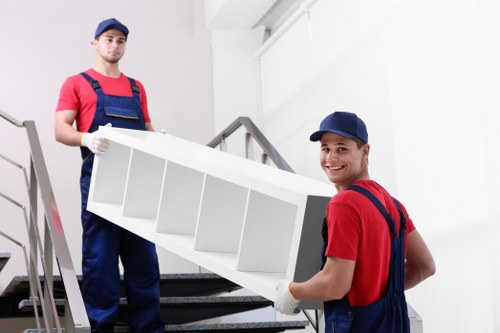
A quality business relocation service should be built around the needs of the customer. That could mean a full office move, a partial workspace relocation, or support with only the heaviest or most awkward items. For some businesses, the move is straightforward. For others, it includes several stages and a careful handover from one site to another. Whatever the size, the aim is to make the process manageable and professional.
Typical services within commercial removals may include:
- Office removals for small, medium, and larger workplaces
- Desk, chair, and workstation relocation
- IT and computer equipment moving
- Filing cabinets and archive transport
- Retail stock and display unit relocation
- Warehouse and light industrial moving support
- Document and record handling where confidentiality is important
- Furniture dismantling and reassembly
- Special item handling for awkward, bulky, or delicate pieces
- Internal moves for office reconfiguration within the same building
Many businesses in Ealing also need help with temporary storage, phased removals, or moving at times that reduce disruption. If your relocation involves multiple departments, stock transfers, or time-sensitive opening hours, it is sensible to plan every part of the operation in advance. A well-run commercial moving service should give you the confidence that each stage is covered.
Some clients also need help clearing out old furniture, broken items, or surplus equipment that will not be used at the new premises. In those cases, it is useful to ask in advance what can be included as part of the move and what may need separate arrangements.
Why local knowledge matters in Ealing

Ealing has a wide range of business locations, and that diversity affects how a move should be planned. A commercial relocation in a modern office block is likely to involve different access needs from a move involving a converted Victorian property, a high street shop, or a workspace above retail units. Local streets can also be challenging for larger vehicles, especially where parking restrictions, narrow entrances, controlled loading areas, or shared access points are involved.
Local knowledge becomes especially useful when you need practical timing. For example, moving during the morning rush hour may not be ideal if your site is close to busy roads or transport links. Weekend moves may be easier for some businesses, while others may prefer an evening relocation so staff can arrive the next day with as little interruption as possible. A team familiar with Ealing can help you think through these choices realistically.
Another local advantage is experience with property types commonly found in the area. Ealing includes period buildings with stair access, office suites in mixed-use developments, independent retailers, professional practices, clinics, creative studios, and business units closer to industrial estates and commercial corridors. Each type of property brings different challenges. A local commercial move provider can factor in the building layout, access route, and the type of goods being moved so the plan is suited to the site rather than forcing a one-size-fits-all approach.
Local service matters because it can save time, reduce confusion, and make scheduling easier. It also helps when you need a company that can visit the site, understand the moving route, and identify potential issues before moving day arrives.
How the commercial moving process works

A professional commercial move should follow a clear process. That process may vary depending on the size of the job, but the structure is usually similar. Planning early is one of the most effective ways to reduce pressure, especially for businesses that cannot afford prolonged downtime.
1. Initial discussion and survey
The first step is usually to understand what needs moving, where it is going, and when the relocation must happen. For larger or more complex projects, a site visit can help assess access, volume, handling requirements, and any special arrangements needed for dismantling, packing, or parking.
2. Move planning
Once the scope is clear, the move can be planned around your business operations. This might include scheduling the move outside trading hours, deciding which items are moved first, setting labelling systems, and agreeing who is responsible for packing or preparing items at each site.
3. Packing and protection
Items are packed and protected using suitable materials. Office furniture may need dismantling. Screens, monitors, and electrical items need extra care. Confidential documents should be handled with attention to privacy. The goal is to minimise risk while making loading and unloading efficient.
4. Loading and transport
On moving day, items are loaded in a planned order so they can be unloaded in the right sequence at the destination. Transport should be organised to suit the volume and type of goods being moved. Good loading practice matters for both safety and speed.
5. Delivery and placement
At the new premises, furniture and equipment are placed in the correct areas as agreed. If desks, shelving, or other items were dismantled, reassembly can be carried out where required. This stage is often crucial because the faster your workspace is set up, the sooner your team can return to normal operations.
6. Final checks
A careful finish matters. The final stage should include checking that all items have arrived, that furniture is positioned correctly, and that the main office areas are ready for use. A smooth handover can make a significant difference on a busy business day.
What to expect from a well-organised move

When businesses enquire about commercial removals, they are usually looking for more than vehicles and labour. They want confidence that the move will be controlled, respectful of time pressures, and suitable for the type of premises involved. A well-organised service should feel practical from the start and clear at each stage.
Here are some things many customers expect from a reliable business move:
- A clear understanding of your premises and the items being moved
- Flexible timing that fits around opening hours or staff schedules
- Proper handling for office furniture, stock, files, and technology
- Careful loading and unloading in line with access conditions
- Support with dismantling and reassembly where needed
- Good communication so everyone knows the moving plan
- Respect for confidential, fragile, or high-value items
For many companies, the most valuable part of the service is reassurance. Moving a business can be disruptive, but it does not have to feel chaotic. The right team will help you stay in control, make practical decisions, and keep the relocation moving on schedule.
Book your service now if you are planning a relocation and want a team that understands the demands of business moving in Ealing.
Commercial properties and business types we can help with
Ealing has a diverse commercial landscape, which is part of what makes local removals so interesting and so different from a standard household move. Business premises in the area can range from small independent offices to larger shared workplaces, from retail environments to professional services premises, and from creative studios to light industrial units. Each one needs a slightly different approach.
Examples of business types that often need commercial moving support include:
- Professional offices
- Estate agents and consultancy firms
- Medical, therapy, and health-related practices
- Retail shops and showrooms
- Hospitality back-of-house areas
- Studios and creative workspaces
- Storage rooms and archive spaces
- Educational or training facilities
- Small warehouses and distribution points
Not every move needs a full service package. Some businesses only want help with the heavy lifting. Others prefer a more hands-on approach that includes packing, disassembly, and placement at the new site. A flexible commercial moving company should be able to adapt to the way you work.
Common access and parking challenges in Ealing
One of the most important reasons to use a local company for Commercial Moves in Ealing is the practical reality of access. The area includes a wide variety of streets and premises, and those differences can quickly affect the success of a move if they are not planned properly.
Some common issues include:
- Narrow roads and limited waiting space around older commercial buildings
- Parking restrictions near busy high streets and transport hubs
- Upper-floor offices where stairs or small lifts affect timing
- Mixed-use buildings where loading has to be coordinated with other occupants
- Restricted access times in certain business premises
- Busy traffic periods that make timing and vehicle placement more important
Planning around these issues can make the difference between a smooth move and one that becomes stressful. A local team can often suggest better timing, better vehicle positioning, and a better loading sequence based on real-world experience in the area.
It is also worth checking building rules in advance, especially if you are moving into a managed office block, a shared workspace, or a property with specific delivery requirements.
How to prepare your business for moving day
Preparation plays a big part in a successful relocation. The more organised your team is before move day, the easier it becomes for the removals crew to work efficiently. This does not mean you need to do everything yourself. It means making the main decisions early and giving staff clear instructions.
A useful preparation checklist can include:
- Confirming the move date and access arrangements
- Deciding which departments move first
- Sorting items into what is moving, storing, or disposing of
- Backing up digital files and securing IT systems
- Labelling boxes and equipment by room or department
- Emptying personal items from desks and cabinets
- Separating confidential files for careful handling
- Measuring key items to check they will fit through doors and lifts
- Informing staff about the schedule and what they need to prepare
If you are moving a retail space or stock-heavy business, it can also help to create a simple inventory list. That way, you know what should arrive at the new site and can check that important items are accounted for quickly.
When the move involves clients, customers, or appointments, communication matters too. Letting people know about any temporary closure or change of location can reduce confusion and help your business continue operating smoothly.
Pricing factors for commercial removals
Businesses often ask what affects the cost of a commercial move. While exact prices depend on the specific job, the main factors are usually easy to understand. A transparent quote should reflect the scope of work rather than leaving you guessing.
Typical pricing factors include:
- The size of the premises and amount of furniture or stock
- The number of floors or the difficulty of access
- Whether packing, dismantling, or reassembly is needed
- The distance between the old and new premises
- Whether the move must happen outside normal business hours
- The need for specialist handling of fragile or valuable items
- Parking, loading, or access arrangements that affect timing
- Whether the move is one-off, phased, or spread over several days
It is usually best to ask for a quote after explaining your site layout and what you need moved. The more accurate the information, the more useful the estimate will be. If your business is in a time-sensitive position, it is especially helpful to share your timeline as early as possible.
Remember that the cheapest option is not always the most suitable one. For commercial relocations, value often comes from reliability, planning, and a move that avoids unnecessary disruption.
Why choose a local company for a business move in Ealing
There are several reasons customers often prefer a local moving company when relocating a business in Ealing. First, local teams are generally more familiar with the routes, access points, and timing considerations that matter on busy days. Second, they are more likely to understand the property mix in the area, from period buildings to newer commercial developments. Third, local availability can make it easier to arrange site visits, surveys, and moving dates that fit your business.
Local service can also be more responsive if your plans change. Commercial relocations often evolve as the move gets closer. You may discover extra items to move, a need for an additional vehicle, or a change in how departments will be split between sites. A nearby team is often better placed to adapt to these changes quickly and practically.
Another benefit is accountability. When a company works regularly in the area, it tends to have a stronger understanding of local business expectations. That can be reassuring if you are moving an office, a practice, or a customer-facing premises where downtime must be kept to a minimum.
Areas covered around Ealing
Commercial removals in Ealing are often requested not just in the central area but across surrounding neighbourhoods and nearby business locations. Depending on the job, services may cover:
- Ealing Broadway
- West Ealing
- North Ealing
- South Ealing
- Hanwell
- Acton borders
- Park Royal
- Perivale
- Greenford nearby business areas
- Other parts of West London
Because commercial premises vary so much, it is always sensible to discuss the exact location, the building type, and any restrictions before booking. That helps the move team plan properly and arrive prepared for the conditions on site.
Frequently asked questions about commercial moves in Ealing
How far in advance should I book a commercial move?
It is best to arrange your move as early as possible, especially if you need a specific date, weekend work, or an out-of-hours relocation. Early booking also gives you more time to prepare staff and coordinate access details.
Can a move be completed outside normal business hours?
Yes, many businesses prefer evening or weekend moves to reduce disruption. This is especially useful for customer-facing companies, offices with limited downtime, or sites where access is easier after hours.
Do I need to pack everything myself?
Not always. Some businesses prefer to handle their own packing, while others want a team to pack selected items, especially fragile equipment, files, or furniture. The right arrangement depends on the size of the move and how much time your team has available.
Can you move IT equipment safely?
IT equipment often needs special attention, including careful unplugging, wrapping, labelling, and transport. If your business has computers, monitors, printers, servers, or network equipment, make sure the moving plan covers these items clearly.
What if my office has limited parking or access?
That is common in Ealing, especially in busy commercial areas. A local team can plan around restrictions by considering vehicle size, loading times, and the best approach to site access. It is important to mention this early when requesting a quote.
Can you help with a small office or only large relocations?
Small offices, studios, and independent businesses often need just as much care as larger workplaces. A professional commercial removals service should be able to scale the job to suit your premises and workload.
Will the move take one day?
Some moves can be completed in a day, while larger or phased relocations may take longer. The time needed depends on volume, access, packing, and the distance between sites. A detailed plan helps set realistic expectations.
What makes a commercial move run smoothly
There is no single ingredient that guarantees a smooth relocation, but there are a few things that consistently help. Good planning. Clear communication. Suitable vehicles. Practical packing. And a moving team that understands how businesses actually operate.
When those elements come together, the move becomes much easier to manage. Staff know what is happening, equipment is handled properly, and the new premises can be made operational more quickly. That is why many local businesses look for a service that feels organised from the start rather than reactive at the last minute.
If your business is preparing to relocate, now is the right time to act. Request a free quote, discuss your access needs, and make sure your move is arranged around your business rather than the other way around.
Final thoughts for businesses planning a move
Commercial relocations can feel complicated, but they become much more manageable when you work with a local team that understands the area and the demands of business moving. Whether your company is moving from a shared office, a retail unit, or a larger commercial premises, the right support can reduce stress and help you settle into the new space with less disruption.
For companies comparing options, the most important questions are often practical ones: Will the team understand the access? Can they work around your schedule? Do they know how to handle office furniture, stock, and equipment safely? Can they help you move efficiently without losing valuable time? Those are exactly the questions a good commercial removals service should be ready to answer.
If you are planning Commercial Moves in Ealing, focus on a company that offers clear planning, local experience, and a service built around real business needs. Contact us today to discuss your relocation, request a free quote, and book your service now.