Office Removals in Ealing
If you are planning office removals in Ealing, you will already know that moving a workplace is very different from moving a home. There are desks, IT equipment, confidential files, meeting room furniture, signage, kitchen supplies, and often a schedule that cannot stop for long. A well-planned office move needs timing, care, and local knowledge. That is especially true in Ealing, where commercial premises sit alongside period conversions, modern business units, high street offices, and shared workspaces with very different access needs.
Whether you are relocating a small studio, a growing team, a professional practice, or an established company, the right removals team can make the process much smoother. A local service that understands Ealing Broadway, Acton, West Ealing, South Ealing, Northfields, Hanwell, and nearby business districts can help you avoid delays, protect your equipment, and keep the move organised from start to finish.
Request a free quote if you are preparing for a workplace move and want practical support tailored to your office size, building type, and schedule. The aim is to make your move efficient, secure, and as disruption-free as possible.
Why office removals need a specialist approach
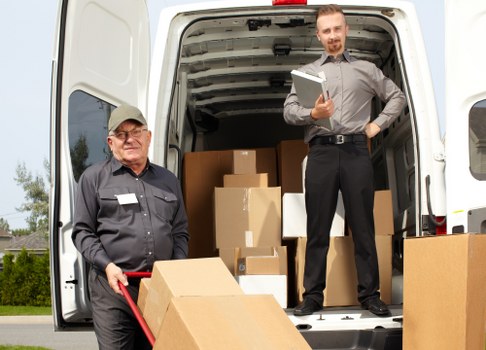
An office move is rarely just about carrying items from one place to another. It is about business continuity. Staff may need to be back at desks quickly, files must remain organised, and equipment has to arrive safely so the workday can continue. Even a small delay can affect operations, customer service, and productivity.
Specialist office removals are designed to manage this pressure. A professional team can plan the route, handle packing and loading in a sensible order, and work around your deadlines. For businesses in Ealing, that matters because buildings may have limited parking, shared entrances, timed loading bays, or busy roads that make timing more important than in a typical domestic move.
Ealing also has a broad mix of properties. You may be moving from a converted terrace near the town centre, a serviced office near transport links, a unit close to an industrial estate, or a higher-floor workspace with stair-only access. Each of these situations needs a slightly different approach, and that is where local experience becomes valuable.
What office removals in Ealing can include

A good office removal service can cover far more than lifting and transport. Depending on your requirements, it may include packing support, furniture dismantling, careful loading, safe transit, and unloading into your new workplace in the correct order. Some customers need only the transport stage, while others want full support from start to finish.
Common items handled during commercial removals include:
- Office desks, chairs, and filing cabinets
- IT equipment such as monitors, CPUs, printers, and peripherals
- Meeting room tables and reception furniture
- Archive boxes and documents
- Kitchen items, lockers, and breakroom furniture
- Display stands, shelving, and light storage units
- Specialist items that need extra care during handling
Depending on the move, the team may also help with labelling, furniture placement, and coordinating the order in which items are taken out and put back. This can save time on the other side of the move, especially when you want departments, teams, or rooms set up quickly.
Local knowledge matters in Ealing

Choosing a local removals company for office removals Ealing brings practical benefits that are easy to overlook until move day arrives. Local teams know how busy the roads can get around Ealing Broadway, how loading can be affected near commercial parades, and how access can change from one building to the next. They are also more likely to understand the parking and access issues that come with operating in a busy west London borough.
That local familiarity can help with route planning, arrival times, and communication before the move. If your office is near a station, on a high street, or within a mixed-use building, a local team is more likely to ask the right questions early. For example, is there a lift? Are there stairs? Is there a loading bay? Are there time restrictions? Are there permits or building rules to consider?
These details are important because a smooth move often depends on what happens before the van arrives. Planning around the actual building, not just the postcode, can reduce stress and keep the removal efficient.
Types of businesses we can help with
Office moves come in many sizes, and the needs of a small practice are very different from those of a larger organisation. A flexible removals service should be able to adapt to your business type, your equipment, and your timetable. In Ealing, that may mean helping a startup move into its first proper office, relocating a small consultancy, or moving an established team into larger premises.
Typical customers include:
- Professional services such as accountants, solicitors, recruiters, and consultants
- Creative businesses, studios, and design teams
- Medical, therapy, and wellbeing practices with sensitive equipment or records
- Retail offices, back-office teams, and admin departments
- Charities, community organisations, and non-profits
- Remote-first businesses setting up a new shared base or hybrid workspace
Every business has different priorities. Some need a quiet and tidy move with minimal disruption during business hours. Others need a fast weekend relocation so staff can return on Monday with as little interruption as possible. A good local office removals team can work with that reality.
How the process usually works
Step 1: Initial enquiry and move details
The process usually begins with a simple enquiry. You explain the size of the office, the type of items being moved, the start and end locations, and the preferred moving date. If you have any special requirements, such as fragile items, confidential files, or equipment that needs extra handling, it is best to mention those early.
At this stage, it helps to be clear about your building access, floor level, and any time restrictions. A move from a ground-floor workspace with parking outside will look very different from one involving a top-floor office with a narrow staircase and limited loading space.
Step 2: Planning and preparation
Once the move is discussed, the team can help plan the schedule and recommend how to prepare. This may include agreeing what should be packed first, what needs dismantling, and what should be transported separately. For larger moves, it is often useful to label boxes and furniture by department or room so unloading is quicker and more organised.
You may also want to coordinate with your building management, colleagues, or IT support so that everything is ready for move day. This planning stage is especially useful if you are moving in or out of shared premises in a busy part of Ealing where access time is limited.
Step 3: Moving day
On the day itself, the removals team will usually load items in a sensible sequence, keeping fragile or high-value items secure. Furniture may be dismantled where needed, then wrapped or protected for transit. The team will then transport everything to the new site and unload according to your instructions.
Book your service now if you want a move arranged around your timetable. A carefully managed moving day can save hours of disruption and help staff settle into the new workspace faster.
Preparation checklist for office removals

Good preparation makes a major difference to how smooth your office move feels. Even if you are using a professional removals service, there are a few things worth doing beforehand. These steps can reduce the risk of delays and help the team work more efficiently on the day.
Use this simple checklist:
- Confirm the moving date and preferred access times.
- Tell staff what to pack and when.
- Back up digital data and secure important files.
- Label boxes by department, person, or room.
- Separate fragile, confidential, and high-value items.
- Disconnect IT equipment safely if your IT team is responsible for it.
- Check building rules for lifts, parking, and loading areas.
- Plan the layout of the new office in advance.
- Dispose of unwanted items before the move if possible.
- Keep a small essentials kit for the first day in the new space.
Tip: if several teams are involved, assign one person to coordinate each section. That can help avoid confusion when the move is underway.
Packing and protection for sensitive office items
Many office moves involve items that need more care than standard furniture. Computers, monitors, printers, archive boxes, and presentation equipment can all be vulnerable to knocks, vibration, or incorrect handling. Confidential documents also need a secure approach, especially if they contain sensitive business or customer data.
A professional removals team can help protect these items using appropriate packing materials and careful loading methods. For example, furniture may need padding, chairs may be stacked or secured properly, and electronics may need to be handled separately from heavier items. If your office has specialist equipment, it is important to discuss this in advance so the move can be planned correctly.
For many businesses, the real value of a removal service is peace of mind. You are not just paying for transport; you are paying for attention, organisation, and the reassurance that your items will be handled properly.
Commercial relocation challenges in Ealing

Ealing is a busy part of west London, and that means office moves can be affected by traffic flow, delivery schedules, nearby construction, and local parking limitations. Whether your workplace is close to Ealing Broadway, along one of the main routes, or in a quieter side street, access still needs careful thought.
Some common challenges include:
- Limited loading space outside the building
- Shared lifts or stair-only access
- Busy pedestrian areas at certain times of day
- Parking restrictions and permit considerations
- Time limits imposed by landlords or building managers
- Items that must be moved quickly to avoid disruption to other tenants
These are exactly the kinds of issues that a local removals team should be prepared for. By understanding the area and asking the right questions, they can reduce the chance of unexpected problems on moving day.
Why businesses choose a local office removals company
There are several good reasons to choose a local provider when you need office removals in Ealing. Convenience is one, but there is more to it than that. A nearby team is often easier to schedule, better placed to carry out an assessment, and more responsive if your plans change.
Local customers often value:
- Faster communication and easier scheduling
- Better familiarity with the local road network
- Understanding of access issues in nearby commercial buildings
- Practical advice for moving from mixed-use or high-traffic areas
- Support that feels tailored rather than generic
Contact us today if you want a removals service that understands local conditions and can help you plan a well-organised move. Local knowledge can make a noticeable difference when time is tight and your business needs a reliable move.
What to expect on move day
Move day is usually easier when everyone knows what to expect. The removals team will arrive with the right vehicle and equipment, ready to load items in a logical order. If you have designated packing areas, a clear path to the exit, or staff available to answer questions, the process can move along more efficiently.
In many office moves, the loading sequence matters. Heavier furniture is often dealt with first, followed by boxed items and delicate equipment. If you are moving multiple departments or floors, the team may organise items so that unpacking is easier later. This can be particularly useful if the new office needs to be up and running quickly.
Once at the new location, items can be placed where instructed, which helps reduce confusion and saves time for your staff. If furniture needs to be reassembled, that can usually be planned as part of the move, depending on the service agreed in advance.
Keeping downtime low
Many businesses in Ealing want to avoid a long interruption to trading. That is why careful timing is often a top priority. Some companies choose an evening or weekend move, while others split the relocation into phases. A phased move can work well when you want departments to remain operational during the transition.
The less time your team spends searching for equipment and waiting for furniture to be set up, the sooner work can resume normally. Good planning is what turns a difficult move into a manageable one.
Pricing factors for office removals
It is normal to want a clear idea of what affects the cost of an office move, even if exact prices are not provided at the outset. The final quote usually depends on several practical details rather than a single flat figure. That is why a proper discussion about your move is important.
Common pricing factors may include:
- The size of the office and total volume of items
- How far the move is within or beyond Ealing
- Whether packing, dismantling, or reassembly is needed
- Accessibility at both properties
- Whether the move takes place outside normal hours
- The number of movers required
- Special handling needs for fragile or heavy items
- Any waiting time caused by building access or parking rules
Being honest about the full scope of the move helps the company give you a more accurate estimate. If you are unsure about some details, a local team can often help you work them out before the booking is confirmed.
Areas covered for office moves
A local office removals service in Ealing often supports businesses across the borough and nearby west London locations. That can include commercial and residential areas where professionals work from converted spaces, serviced offices, shared workspaces, or standalone premises.
Areas commonly covered include:
- Ealing Broadway
- West Ealing
- South Ealing
- Northfields
- Hanwell
- Acton
- Park Royal
- Brentford
- Greenford
- Perivale
- Nearby west London business locations
If your business is just outside the immediate centre of Ealing, it is still worth asking. A local removals team may be able to support moves across surrounding neighbourhoods, especially where the route is straightforward and the access details are clear.
How to choose the right office removals service
When comparing providers, the best choice is not always the one that sounds the biggest or the busiest. For an office move, what matters most is whether the team understands your needs, your building, and your timing. A trustworthy company should be able to explain how they handle packing, loading, furniture protection, and communication during the job.
Useful questions to ask include:
- Have you handled office removals of this size before?
- Can you work around our preferred move time?
- What should we pack ourselves, and what can you help with?
- How do you handle fragile electronics and files?
- Can you assist with furniture dismantling and reassembly?
- What do you need to know about building access or parking?
These questions help you judge whether the service is right for your workplace. A good provider will welcome them and give clear, practical answers.
Signs of a well-organised service
Look for a team that asks about access, timings, building rules, and the type of items involved. That often shows they are thinking ahead rather than assuming every move is the same. Clear planning is especially important for offices in and around Ealing, where route timing and parking can affect the day.
Request a free quote if you are comparing options and want to understand how a local move could be arranged around your business requirements.
Frequently asked questions
How far in advance should I book office removals in Ealing?
It is best to enquire as early as possible, especially if you want a weekend slot or a date that avoids business disruption. Planning ahead also gives you time to prepare packing, notify staff, and check building access arrangements.
Can you move offices outside normal working hours?
Many businesses prefer evening or weekend moves to reduce downtime. Availability can vary, so it is worth discussing your preferred timing early in the process.
Do I need to pack everything myself?
Not always. Some customers prefer to pack basic items themselves, while others want more support. The level of packing help can often be adjusted to suit the size and type of office.
What about IT equipment and confidential files?
These items should be discussed in advance so they can be moved with appropriate care. Sensitive materials may need a specific packing and transport approach, while IT equipment often benefits from careful segregation and handling.
Can you help with dismantling office furniture?
In many cases, yes. Desks, shelving, and some storage units may need to be taken apart before transport and reassembled later. Let the removals team know what furniture is involved so they can plan properly.
What if our building has limited parking or access restrictions?
That is common in Ealing, particularly in busier commercial areas and mixed-use buildings. The key is to share those details early so the move can be organised around the constraints.
Do you handle small office moves as well as larger relocations?
Yes, many office removals services are suitable for both smaller and larger jobs. Whether you are moving a handful of desks or an entire workplace, the same principles of planning and care still apply.
Making the move easier for your team
One of the biggest benefits of using a professional office removals service is reducing pressure on your staff. Instead of asking employees to manage heavy lifting, vehicle hire, or awkward loading tasks, you can let experienced movers handle the physical side of the relocation.
This can also improve morale. Staff are usually more comfortable when the process is organised, their belongings are labelled clearly, and they know what to expect. A move can be disruptive, but it does not have to feel chaotic.
If you are relocating in Ealing and want a practical, reliable approach, it is worth choosing a service that understands both the business side of the move and the local area itself. The right team should help you stay in control, reduce delays, and settle into the new workspace with less stress.
Book your service now or contact us today to discuss your office move in Ealing and get a tailored quote based on your specific requirements.